Brainspotting Therapy
"Brainspotting has shown significant efficacy in reducing PTSD symptoms, with sustained improvements over a six-month period." - Journal of Trauma & Dissociation, 2021.
“Where you look affects how you feel”
Brainspotting therapy is a psychotherapeutic approach that helps clients process and heal from trauma, stress, and emotional pain by using the connection between the brain, body, and eye position. Brainspotting is based on the science that where you look can affect how you feel and that these “brainspots” are linked to memories and emotions that are stored in a deeper structure of the brain. By accessing these spots, your brain can access the memories and process the difficult experiences more naturally.
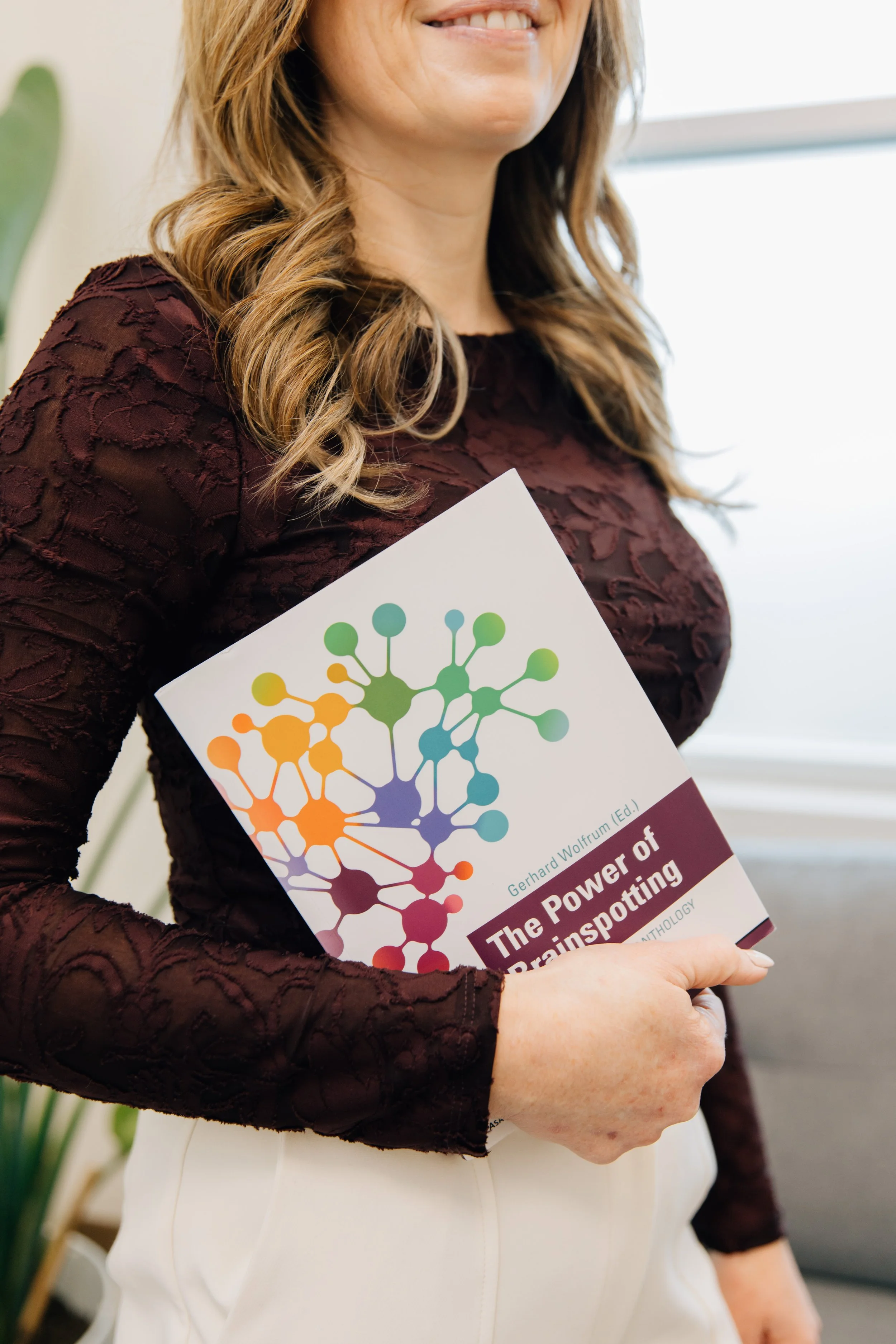
Scientific Evidence Supporting Brainspotting
The scientific community has increasingly recognised the efficacy of Brainspotting through various studies and clinical trials. Here are some notable findings:
Post-Traumatic Stress Disorder (PTSD): A 2021 study found that veterans receiving Brainspotting therapy experienced significant reductions in PTSD symptoms compared to those in a control group receiving standard care. The improvements were not only immediate but also sustained over several months.
Anxiety and Depression: Research published in 2023 showed that Brainspotting was effective in reducing symptoms of anxiety and depression in a clinical sample. Participants reported a marked decrease in anxiety levels and an overall improvement in mood and daily functioning.
Chronic Pain: A 2020 study explored the use of Brainspotting in individuals with chronic pain conditions. The results indicated that Brainspotting helped reduce pain intensity and improved quality of life, suggesting its potential as a complementary therapy for chronic pain management.
Performance Enhancement: Brainspotting has also been applied in performance coaching, particularly for athletes and performers. A 2022 study found that athletes who underwent Brainspotting sessions showed improved performance, reduced performance anxiety, and greater overall confidence.
These studies underscore the versatility and effectiveness of Brainspotting across different populations and conditions. The therapy's ability to access and process deep-seated emotional issues sets it apart from more traditional therapeutic approaches.
"The non-verbal focus of Brainspotting allows clients to process trauma that is difficult to articulate verbally." - Journal of Clinical Psychology, 2021.
References:
Journal of Trauma & Dissociation, 2021. Effectiveness of Brainspotting in Reducing PTSD Symptoms.
Clinical Psychology Review, 2023. Brainspotting for Anxiety and Depression: A Clinical Review.
Psychotherapy Research, 2022. Deep Emotional Processing through Brainspotting.
Journal of Clinical Psychology, 2021. The Non-Verbal Focus of Brainspotting.
Pain Medicine, 2020. Brainspotting for Chronic Pain Management.
Journal of Applied Sport Psychology, 2022. Enhancing Athletic Performance with Brainspotting Therapy.