

Welcome to
The Grove
Children and youth experience the world differently. At The Grove, therapy is designed to meet them where they are, creating a safe and supportive space to express themselves, build confidence, develop new skills, and feel more connected to themselves and the people around them.
What is play therapy?
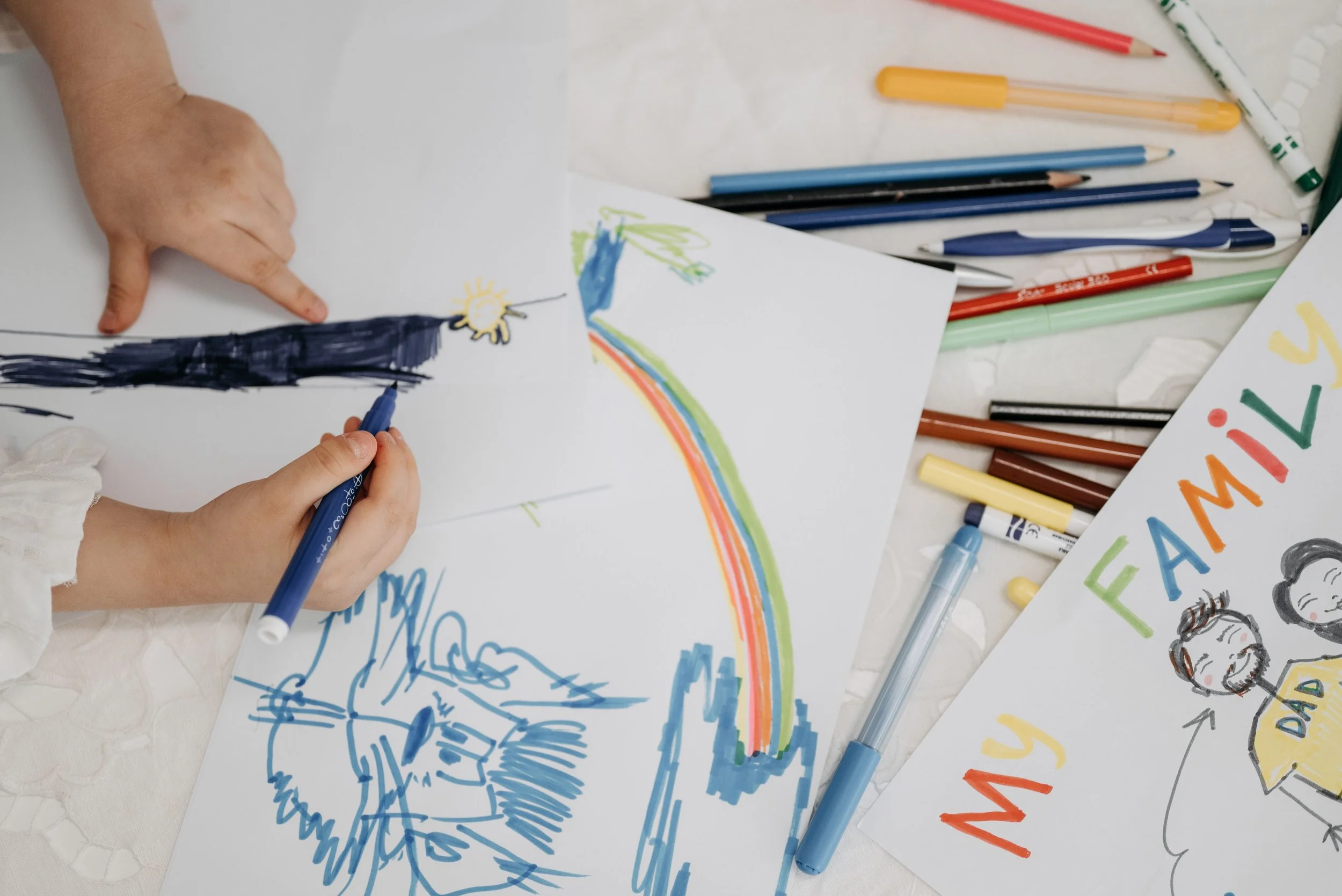
Play therapy is a developmentally responsive, evidence-informed approach that helps children express themselves in the way that often feels most natural to them: through play, movement, creativity, imagination, and relationship.
Children do not always have the words to explain what they are feeling, what they have experienced, or what they need. In play therapy, toys, art, stories, games, sand, movement, and symbolic play become ways for children to communicate, process emotions, explore challenges, and practise new ways of coping.
At The Grove, our approach is also attachment- and nervous-system-informed. This means we pay attention not only to what a child says or does, but also to how stress, fear, overwhelm, anger, sadness, or anxiety may show up in their body and behaviour. Through a safe therapeutic relationship, children are supported in building emotional regulation, confidence, resilience, and healthier ways of connecting with themselves and others.
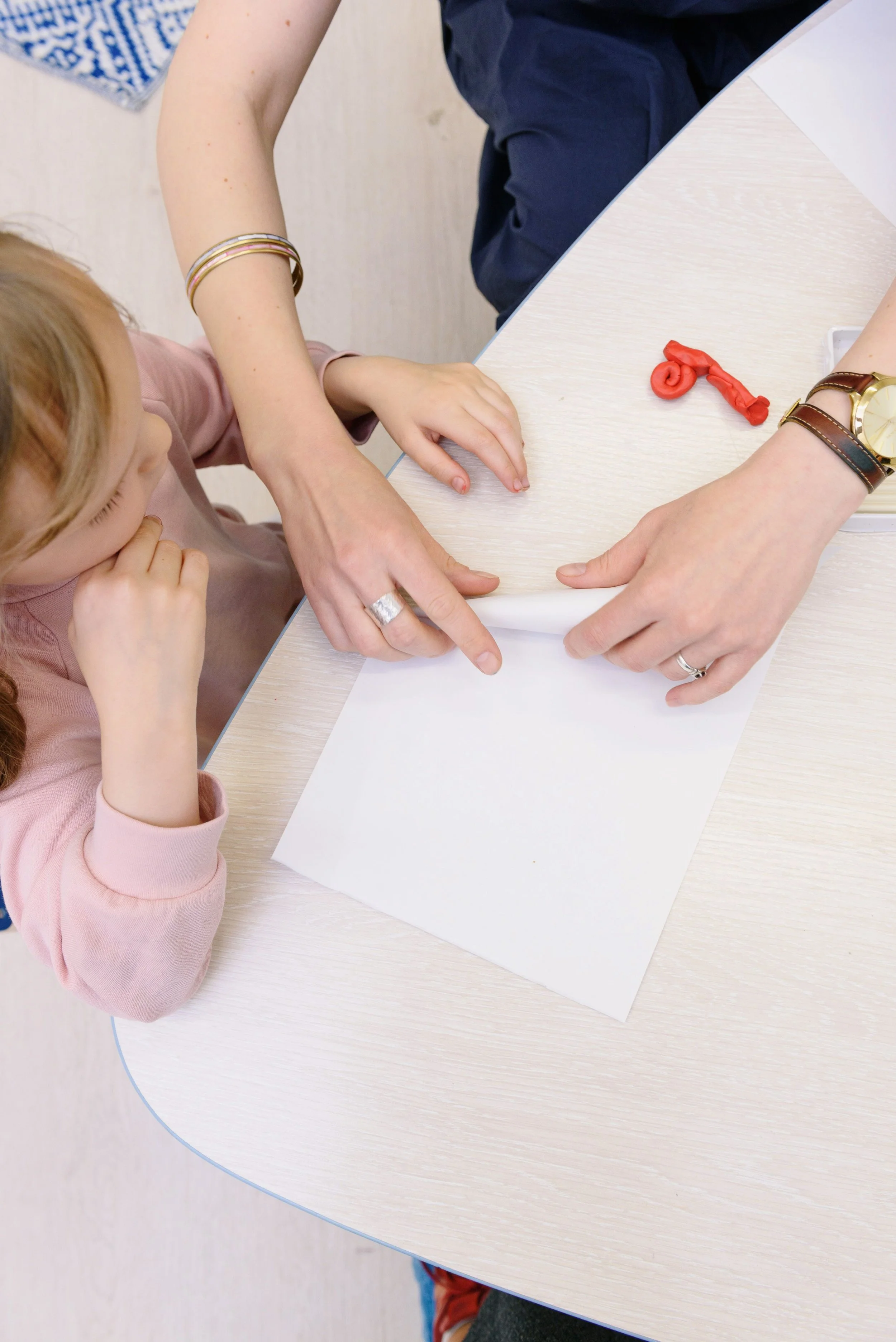
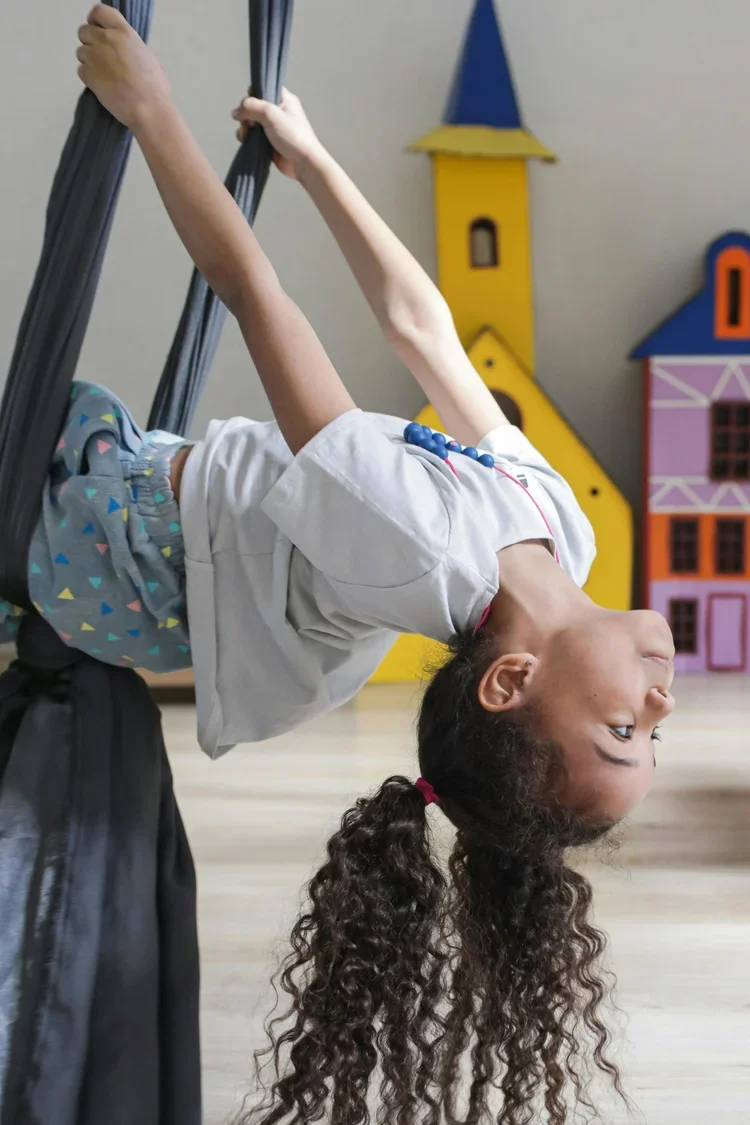
Play therapy is not “just play.” It is a purposeful therapeutic process that helps children feel safe enough to express, process, heal, and grow.
Why Play?
Through play, children can show us what they may not yet be able to say.
For many children, talking directly about big feelings or difficult experiences can feel too hard, too confusing, or too overwhelming. Some children may not yet have the language to explain what is happening inside. Others may be able to talk, but still communicate their distress through behaviour, body cues, play themes, avoidance, anger, anxiety, or shutdown.
Play is a child’s natural language. Through play, children can show us what they may not yet be able to say.
In play therapy, children are not pressured to explain everything with words. Instead, they are given a safe, supportive space to express themselves at their own pace. Through play, creativity, movement, and connection, children can begin to make sense of their experiences, explore emotions, practise coping skills, and experience a greater sense of safety and control.
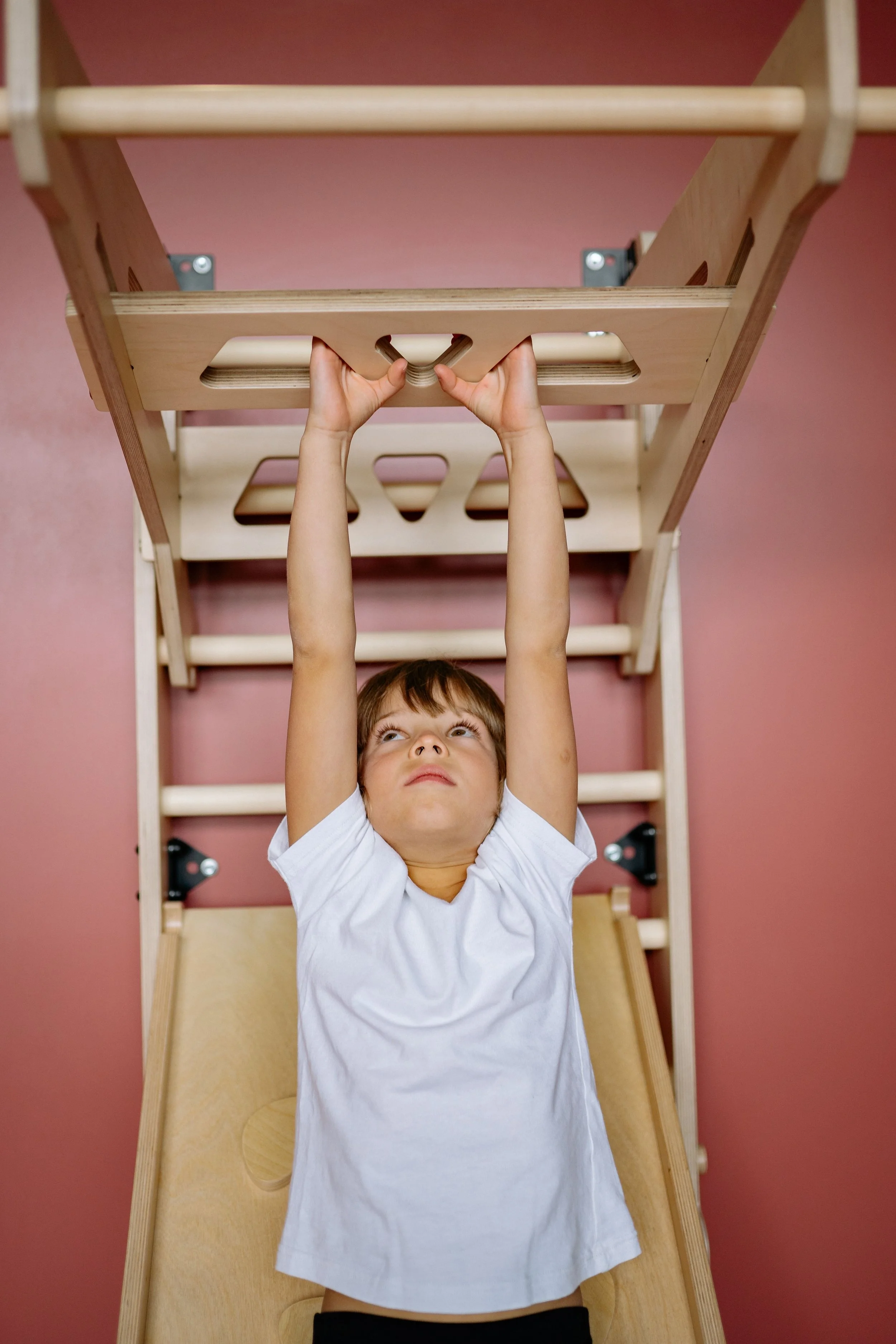
From a nervous-system-informed lens, play can also support regulation. Children may use movement, sensory experiences, repetition, imagination, or storytelling to work through stress and return to a more settled state. Over time, this helps children build confidence, resilience, emotional awareness, and healthier ways of coping.
What can play therapy help with?
Play therapy may support children experiencing a wide range of emotional, behavioural, relational, and developmental challenges.
Every child is different. We’ll work with you to understand your child’s unique needs and determine the right kind of support.
Anxiety, worries, fears, or separation difficulties
Emotional dysregulation or big feelings
Anger, aggression, or frequent meltdowns
Grief, loss, or major life transitions
Trauma or stressful experiences
Family separation, divorce, or conflict
Low confidence or self-esteem
Social difficulties or friendship challenges
School stress or avoidance
Attachment or relationship challenges
Behavioural concerns
Difficulty with change, transitions, or routines

the process
How Does Play Therapy Work?
In play therapy, the relationship between the child and therapist creates the foundation for growth. When a child feels safe in the therapy space, they can begin to explore feelings, experiences, conflicts, fears, strengths, and needs through play.
The therapist carefully observes the child’s play, emotional expression, body language, themes, patterns, and responses to limits and connection. These moments help the therapist understand what the child may be communicating beneath the surface.
Through the therapeutic process, children may begin to:
Express feelings more safely
Understand and manage big emotions
Develop coping and regulation skills
Build confidence and self-worth
Process stressful or difficult experiences
Strengthen problem-solving skills
Improve relationships and communication
Feel more secure, connected, and supported
What play therapy is — and isn’t.
Play therapy can look different from traditional talk therapy, and it’s not always obvious what’s happening beneath the surface. Understanding what play therapy is, and what it isn’t, can help parents and caregivers feel more confident in the process.
What It Is
A purposeful therapeutic approach
Play therapy is a thoughtful and intentional therapeutic process designed to support your child’s emotional, relational, and developmental needs.
Led by your child
Children are supported at their own pace and are not pressured to talk about difficult feelings or experiences before they are ready.
A safe, supportive relationship
The therapeutic relationship creates a space where your child can feel safe, accepted, respected, and free to be themselves.
A way for children to communicate
Through play, art, stories, games, sand, movement, and imagination, children can express what words may not yet be able to hold.
Support for growth and regulation
Play therapy can help children process experiences, build emotional regulation, develop confidence, and practise healthier ways of coping.
What It Isn’t
Just playing with toys
Although it may look playful from the outside, the toys, activities, limits, language, and relationship are all used intentionally.
Forcing children to talk
Children are not expected to explain everything with words or discuss difficult experiences before they feel ready.
Trying to quickly “fix” behaviour
Instead, we look beneath behaviour to understand what your child may be communicating, protecting, avoiding, feeling, or needing.
A quick fix
Every child’s therapy journey looks different. Building trust, developing regulation, and creating meaningful change can take time.
One-size-fits-all
The therapeutic process is shaped around your child’s individual needs, strengths, experiences, and developmental stage.
working together
A Team Around Your Child
Play therapy is centred around your child, but they don’t navigate the process alone. Your child, their therapist, and the important adults in their life each play a different role in creating the safety, consistency, and connection that support meaningful progress.
Creating safety and connection.
The therapist’s role is to create a space where your child feels safe, accepted, respected, and free to be themselves.
Rather than asking children to talk about things before they are ready, the therapist follows the child’s lead and pays close attention to what the child communicates through play, behaviour, emotions, body cues, themes, and relationship.
Simply being themselves.
Your child’s role is simply to be themselves. In play therapy, there is no right or wrong way to play. Your child does not have to talk about difficult feelings or experiences before they are ready.
They are invited to explore, create, imagine, move, express, and connect in ways that feel natural and meaningful to them.
Supporting change beyond the therapy room.
Parents and caregivers are an essential part of the therapy process. While your child builds a trusting relationship with their therapist during sessions, you play a key role in supporting the changes that happen outside the therapy room.
Children are most supported when the important adults in their lives understand the therapy process and are involved in creating safety, consistency, and connection at home.

Parent Involvement
Parent involvement is not about blame.
It is about building a supportive team around your child so they can feel safer, more understood, and more equipped to grow.
Parent involvement may include:
Attending parent or caregiver consultations
Sharing observations about emotions, behaviour and stressors
Learning ways to support regulation at home
Strengthening connection and communication
Supporting consistency between therapy and daily life
Trusting your child’s pace

Meet The Grove Team
Our child and youth therapists bring different areas of experience, therapeutic approaches, and personalities to their work, with one shared goal: helping children and families feel safe, supported, and understood.
Get to know the therapists who work with children and youth at The Grove below.



Not sure what kind of support your child needs?
You don't need to have it figured out before reaching out. Tell us a little about what you've been noticing and what you're hoping to find support with. We'll help you determine the right next step for your child and family.